28 October 2026
Why Custom Hats Printing Is the Perfect Addition to Your Brand’s Apparel Line
Presented by @customtsprintingcustomhatslife
When people think of custom apparel, t-shirts usually come to mind first. They are the classic canvas for logos, slogans, and team names. But over the past few years, I have noticed a shift. More clients are asking about custom hats printing, and for good reason. Hats are visible, wearable, and they last. A well-made cap can sit on a shelf or a head for years without fading or fraying. For businesses, schools, and events, adding hats to the product lineup makes sense.
I remember working with a local brewery in Los Angeles a few years back. They had ordered custom t-shirts for their staff and merchandise booth. The shirts sold well, but the owner mentioned that customers kept asking for hats. So we ran a small test run of trucker caps with their logo. Within two months, hats outsold the shirts. That experience taught me something about how people use and value different types of apparel. Hats are not just backups. They are a standalone category with their own appeal.
Understanding the Demand for Custom Headwear
The market for custom hats has grown steadily, and it is not hard to see why. A hat sits at eye level. When someone wears a cap with your logo, that logo is right where people naturally look. It is a walking billboard that does not require effort from the wearer. Compare that to a t-shirt, which might be covered by a jacket or tucked away. Hats are always visible, and they work in every season.
From a production standpoint, custom hats printing has also become more accessible. Techniques like screen printing, embroidery, and direct-to-film transfers now work well on curved surfaces. That was not always the case. Early attempts at printing on hats often resulted in cracking or peeling after a few washes. But modern inks and methods have solved most of those problems. Today, a printed hat can look crisp for years if it is done right.
Another factor is variety. Hats come in many styles: baseball caps, snapbacks, dad hats, beanies, visors, and more. Each style fits a different audience. A construction company might prefer a structured cap with a high crown, while a yoga studio might choose a soft, unstructured beanie. The ability to tailor the hat to the brand is a big part of the appeal.

Matching the Hat to the Production Method
Not every hat is suited for every printing method. This is where experience matters. If you are working with a structured cap, embroidery is often the best choice. The thread holds up well on stiff fabric and gives a premium look. For softer hats like beanies or unstructured dad hats, screen printing or DTF transfers can deliver better results. The ink moves with the fabric instead of cracking.
I have seen people try to force a method that does not match the material. It usually ends in disappointment. A client once insisted on embroidery on a very thin, stretchy beanie. The stitches puckered the fabric, and the logo looked distorted. We switched to a DTF transfer for the next run, and the result was clean and comfortable. That is the kind of trade-off that a good print shop can guide you through.
When you search for custom hats printing, you want a partner who understands these nuances. A shop that offers multiple methods and can recommend the right one for your hat style. That is where a family-owned operation often shines. They have the freedom to choose the best tool for the job, not just the one that fits a production line.
Design Considerations for Hats
Designing for a hat is different from designing for a t-shirt. The canvas is smaller and curved. Logos that look great on a flat chest can feel crowded on a front panel. My rule of thumb is to keep it simple. One or two colors, a clear shape, and no tiny text. If your logo has a lot of detail, consider a simplified version for the hat. Many brands do this. They have a full logo for shirts and a clean icon version for caps.
Placement also matters. Most hats have a front, side, and back option. The front is the standard spot, but side embroidery on the left or right ear can look sharp for a more subtle brand touch. Back placement works for event dates or small tags. I once worked with a surf shop that put a small wave logo on the side and the shop name on the front. It gave the hat a layered look that customers loved.
Color contrast is another factor. A light logo on a dark hat pops, but it requires a good underbase to keep the colors bright. Dark on light is easier but can look washed out if the ink is too thin. A good printer will test a sample before running the full order. Never skip the sample step. It saves time and money in the long run.
Why Custom Shirt Printing Is the Right Partner for Hats
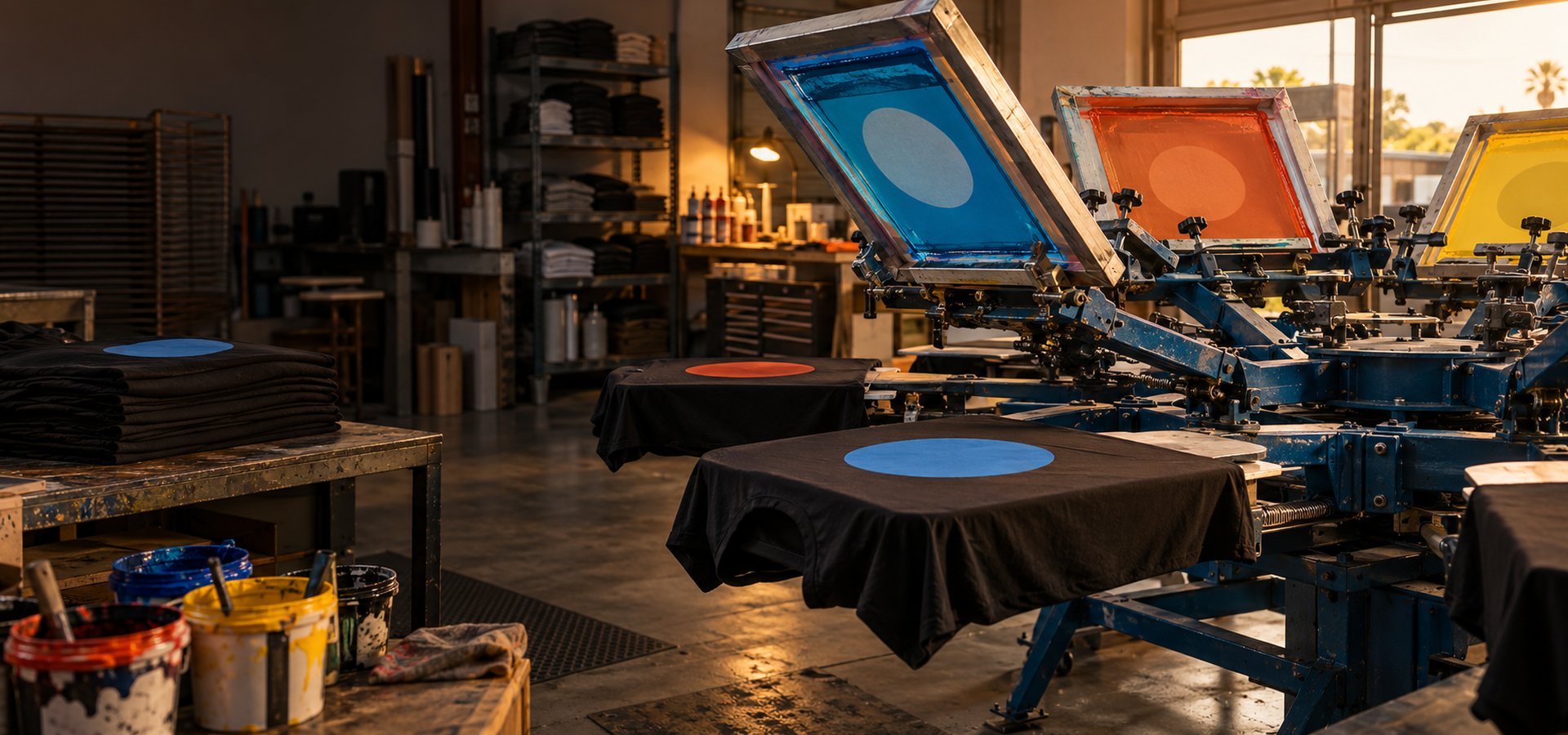
Custom Shirt Printing started as a t-shirt shop, but we have expanded into hats, embroidery, and DTF transfers because our customers asked for it. The same care we put into a screen-printed tee goes into every hat we produce. We keep production in-house, which means we control the quality from start to finish. When a client comes to us for customtsprinting custom hats printing, we can walk them through the options without upselling. We recommend what actually works.
One of the biggest advantages of working with a shop like Custom Shirt Printing is the free design help. Not everyone has a graphic designer on staff. We can take a rough sketch or a simple logo and adapt it for a hat panel. We also help with color matching and placement. That service is part of the package, not an extra charge.
I have seen too many people order hats from a large online catalog and end up with a product that does not match the mockup. The colors are off, the print is crooked, or the hat itself feels cheap. That is the risk of remote production. With a local shop, you can touch the sample, try it on, and make adjustments before the full run. That hands-on approach is rare now, and it is worth seeking out.
Practical Tips for Your First Hat Order
If you are new to custom hats printing, here are a few things to keep in mind:
- Order a sample first. Even if the shop has done hats before, every design is different. A sample lets you check fit, print quality, and color accuracy.
- Think about the hat style. Structured, unstructured, mesh back, or solid. Each feels different on the head. Ask your target audience what they prefer.
- Keep the design small and bold. Details get lost on a curved surface. A simple logo with good contrast reads better from a distance.
- Plan for a slightly longer turnaround. Hats require more setup than t-shirts, especially if you are doing embroidery or multi-color prints.
Another thing to consider is the quantity. Many shops have minimum order quantities for hats because the setup time is higher. But if you work with a small shop, they might be flexible. Custom Shirt Printing, for instance, can handle smaller runs for local teams or events. That flexibility is valuable when you are testing a new product line.
The Long-Term Value of Hats in Your Merch Line
Hats have a longer shelf life than t-shirts in many cases. People retire a shirt when it gets a stain or starts to fade. Hats get worn even when they are a little beat up. That worn-in look is often part of the appeal. A hat with a faded logo can still be a favorite. That means your brand stays visible longer.
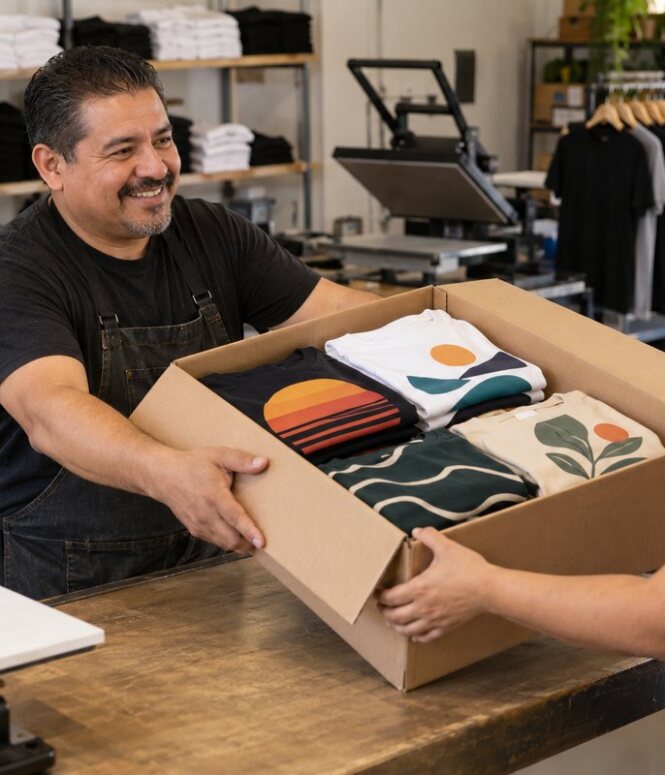
From a business perspective, hats also have a higher perceived value. A customer might pay twenty dollars for a custom t-shirt but thirty or forty for a hat. The margin can be better, especially if you order in bulk. For event organizers, hats make great giveaways because they are useful and memorable. People keep them for years.
I have worked with schools, sports teams, and corporate offices that started with just t-shirts and later added hats. In almost every case, the hats became the top-selling item within a year. It is a pattern I have come to expect. When you combine good design with a quality hat, you get a product that people want to wear every day.
For anyone considering this step, I recommend starting with one style and one colorway. Run a small batch, see how it sells, and then expand. That approach minimizes risk and gives you real feedback. And when you are ready to scale, a reliable print shop like Custom Shirt Printing can handle the volume while keeping the quality consistent. That is the kind of partnership that makes customtsprinting custom hats printing a smart move for your brand.
 Facebook
 Instagram